
The Role of Sustainable Design in Reducing Waste

 By F. Scott Fitzgerald |
 5 min read
|10 May 2025Sustainable design plays a crucial role in addressing the global challenge of waste reduction. As the world grapples with increasing amounts of waste, incorporating sustainable design principles can significantly minimize waste generation and promote more efficient use of resources. This article explores how sustainable design strategies contribute to waste reduction across various sectors, including construction, product design, and daily living.
Designing for Durability and Longevity
One of the fundamental principles of sustainable design is creating products and structures that are durable and have a long lifespan. By focusing on high-quality materials and construction methods, designers can ensure that products and buildings withstand wear and tear, reducing the need for frequent replacements. This approach not only minimizes waste but also reduces the demand for new resources, contributing to a more sustainable lifecycle.
Implementing Reuse and Recycling Strategies
Sustainable design encourages the integration of reuse and recycling strategies throughout the product lifecycle. For instance, designers can create modular products that can be easily disassembled and repurposed at the end of their life. In construction, the use of reclaimed materials and recycling of construction debris can significantly reduce waste. Additionally, incorporating recycling systems within products, such as easily separable components, facilitates the efficient recycling of materials and reduces landfill contributions.
Optimizing Resource Efficiency
Efficient use of resources is a key aspect of sustainable design. By optimizing the use of materials, energy, and water, designers can minimize waste and environmental impact. Techniques such as precision manufacturing, which reduces material waste during production, and designing for minimal resource consumption, contribute to more sustainable outcomes. For example, incorporating energy-efficient systems and water-saving technologies into buildings can significantly reduce overall resource usage and waste generation.
Promoting Circular Economy Principles
The concept of a circular economy is central to sustainable design and waste reduction. Unlike the traditional linear economy, which follows a 'take-make-dispose' model, the circular economy aims to keep products, materials, and resources in use for as long as possible. Designers can promote circularity by creating products that are easily repairable, upgradable, and recyclable. Additionally, businesses can implement take-back schemes and product-as-a-service models, where products are leased rather than owned, encouraging their return and reuse.
Designing for Disassembly
Designing for disassembly is an important strategy in sustainable design, particularly in the construction and manufacturing sectors. This approach involves designing products and buildings so that their components can be easily separated and reused or recycled at the end of their lifecycle. By facilitating the deconstruction process, designers can ensure that valuable materials are recovered and diverted from landfills. This practice also supports the repair and refurbishment of products, extending their usable life and reducing waste.
Incorporating Sustainable Materials
The choice of materials is a critical factor in reducing waste through sustainable design. Using materials that are renewable, biodegradable, or have a low environmental impact can significantly reduce waste generation. For example, selecting sustainably sourced wood, recycled metals, and low-impact composites can minimize the environmental footprint of products and buildings. Additionally, designers can prioritize materials with long lifecycles and those that contribute to energy efficiency, further supporting waste reduction efforts.
Engaging in Collaborative Design
Collaborative design practices involve working with stakeholders, including manufacturers, consumers, and waste management experts, to identify opportunities for waste reduction. By engaging in interdisciplinary collaboration, designers can gain insights into how products are used, maintained, and disposed of, leading to more effective waste reduction strategies. Collaborative efforts can also drive innovation in design practices and encourage the adoption of sustainable solutions across various sectors.
Conclusion
The role of sustainable design in reducing waste is multifaceted and involves strategies that span product design, resource optimization, and circular economy principles. By focusing on durability, reuse, recycling, and efficient resource use, designers can contribute to significant waste reduction and promote a more sustainable future. Sustainable design not only addresses environmental challenges but also creates opportunities for innovation and collaboration, leading to more responsible and efficient practices across industries. As the demand for sustainable solutions continues to grow, incorporating waste reduction principles into design will be essential for achieving long-term environmental goals.
RECENT POSTS
1
How to Create a Cohesive Look with Matching Furniture and Accessories
5 min read | 05 Apr 20252
The Best Furniture Arrangements for Optimal Space Utilization
4 min read | 21 Mar 20253
Budget Decor Tips for Small Spaces
5 min read | 19 Mar 20254
The Importance of Indoor Air Quality in Sustainable Buildings
2 min read | 18 Mar 20255
Accessories That Transform Your Bedroom into a Sanctuary
2 min read | 22 Mar 20256
Budget-Friendly Ideas for a Stunning Home Office
5 min read | 22 Mar 2025MORE POSTS

Creating a Cozy Nook: Furniture and Accessories for Relaxation
5 min read | 09 Jun 2025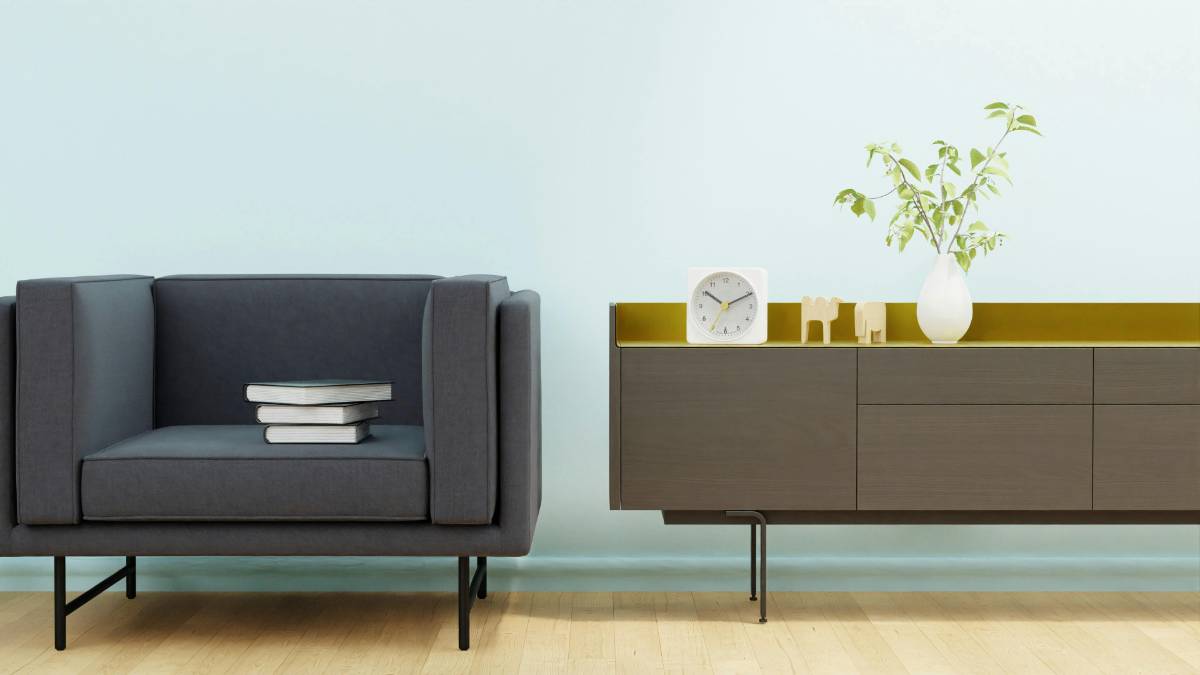
Accessorizing with Color: How to Choose the Right Palette
4 min read | 08 Jun 2025
The Top Furniture Trends for 2024: What’s In and What’s Out
3 min read | 07 Jun 2025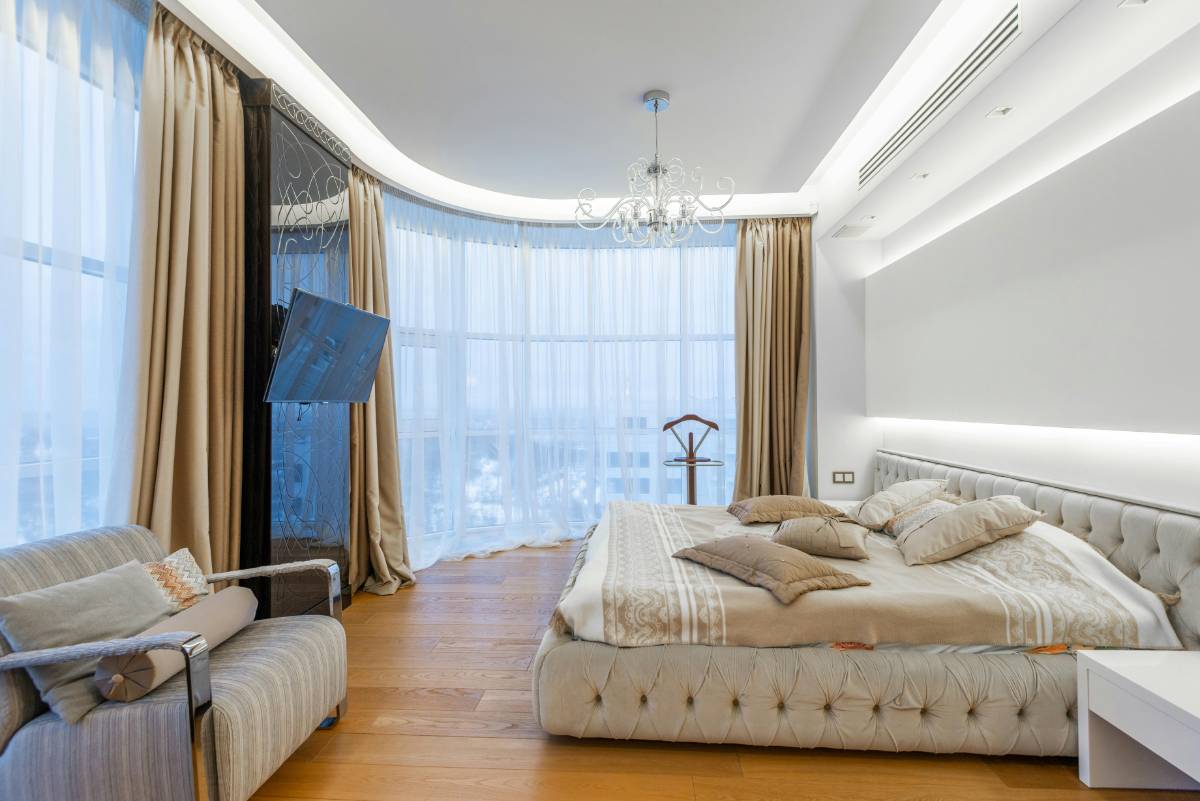
Budget-Friendly Furniture Hacks: Transforming Your Home on a Dime
4 min read | 06 Jun 2025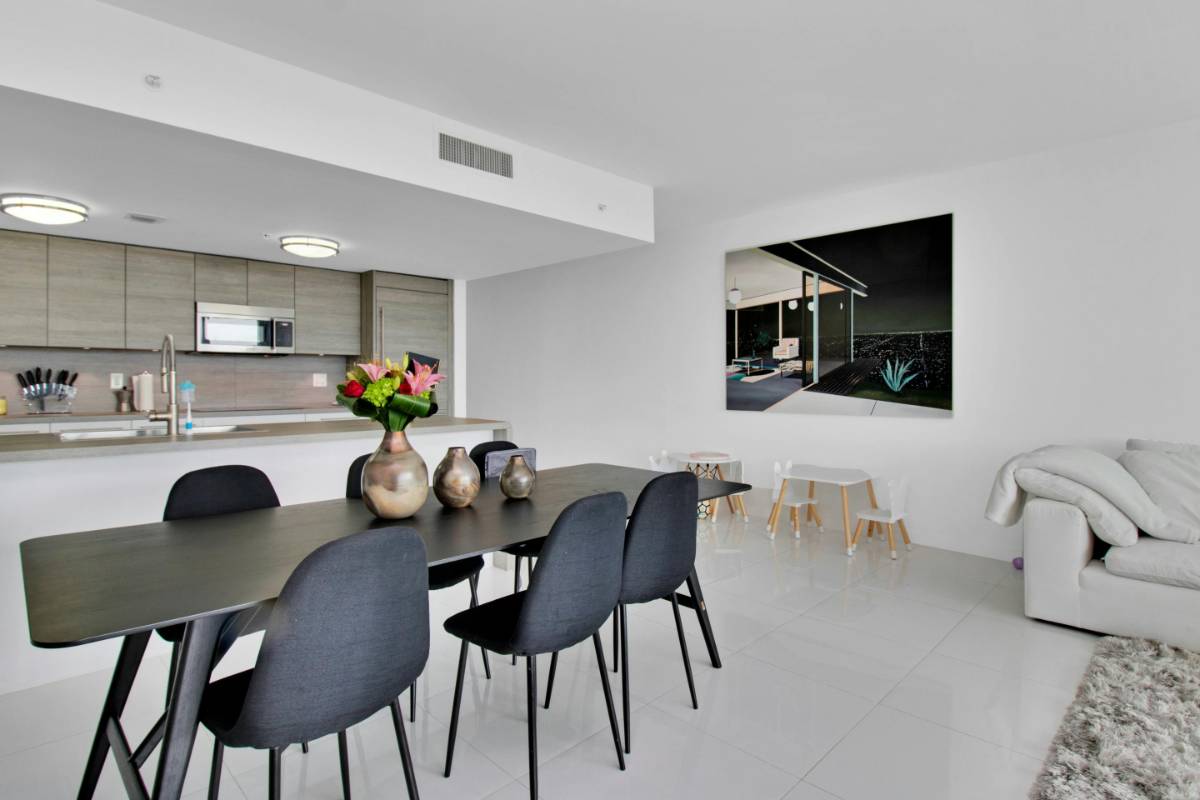
How to Choose the Right Furniture for Small Spaces
4 min read | 05 Jun 2025
The Best Accessories to Elevate Your Living Space
3 min read | 04 Jun 2025MORE ARTICLES
4 min read | 05 Jun 2025
How to Choose the Right Furniture for Small Spaces
Choosing the right furniture for small spaces can be a daunting task. It requires a thoughtful approach to ensure that the pieces you select enhance the space rather than overwhelm it. Here are some key tips to help you make informed decisions when furnishing a compact area, ensuring that it remains stylish and functional.
3 min read | 04 Jun 2025
The Best Accessories to Elevate Your Living Space
Accessorizing your living space is an essential step in creating a home that reflects your personal style and enhances its overall ambiance. The right accessories can transform a simple room into a stunning space that feels both inviting and stylish. Here’s a guide to the best accessories that will elevate your living space, making it uniquely yours.

4 min read | 03 Jun 2025
10 Must-Have Furniture Pieces for a Stylish Home
Creating a stylish home goes beyond aesthetics; it’s about comfort, functionality, and personal expression. Certain furniture pieces can serve as the foundation of your decor while enhancing the overall ambiance of your living space. Here are ten must-have furniture pieces that will help you achieve a stylish and functional home.
2 min read | 02 Jun 2025
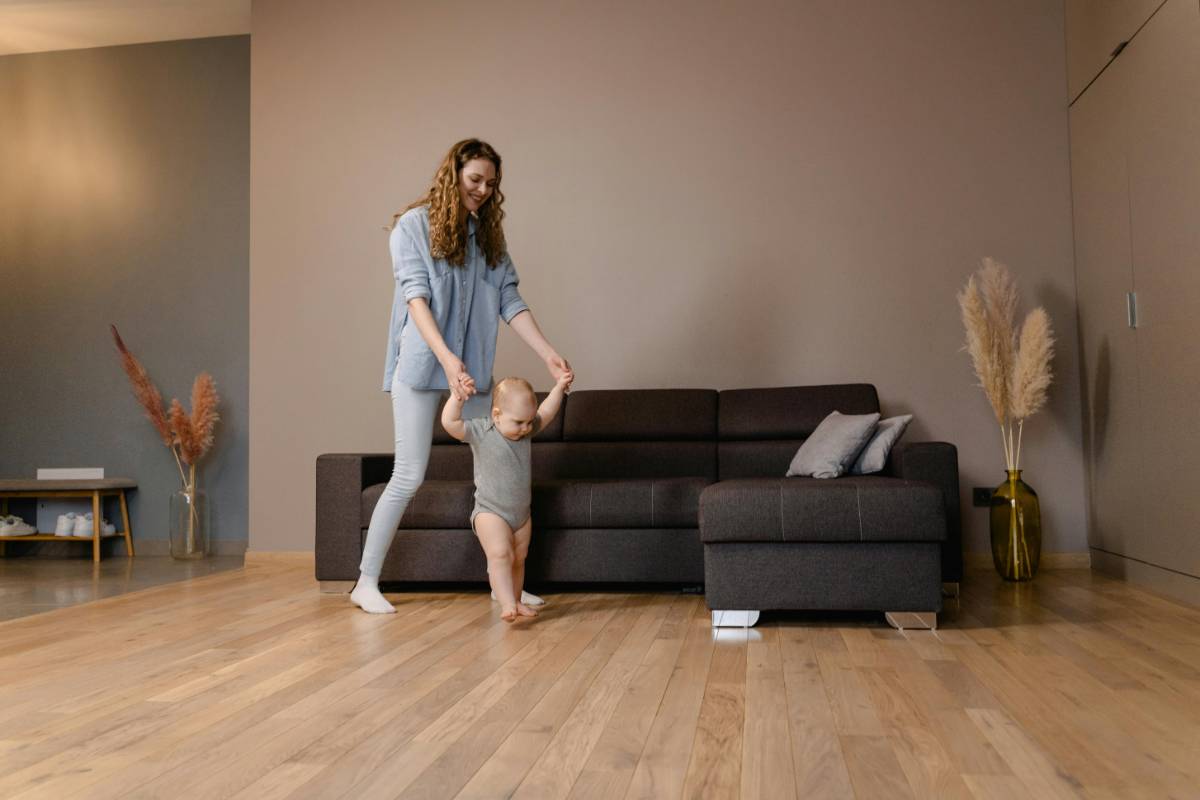
Furniture Care Tips: How to Maintain and Protect Your Pieces
Proper care and maintenance of furniture not only extend its lifespan but also ensure that it continues to look its best. Whether you have wooden, upholstered, or metal pieces, understanding how to protect and care for them is crucial. Here are some essential tips to help you maintain and protect your furniture.
3 min read | 01 Jun 2025
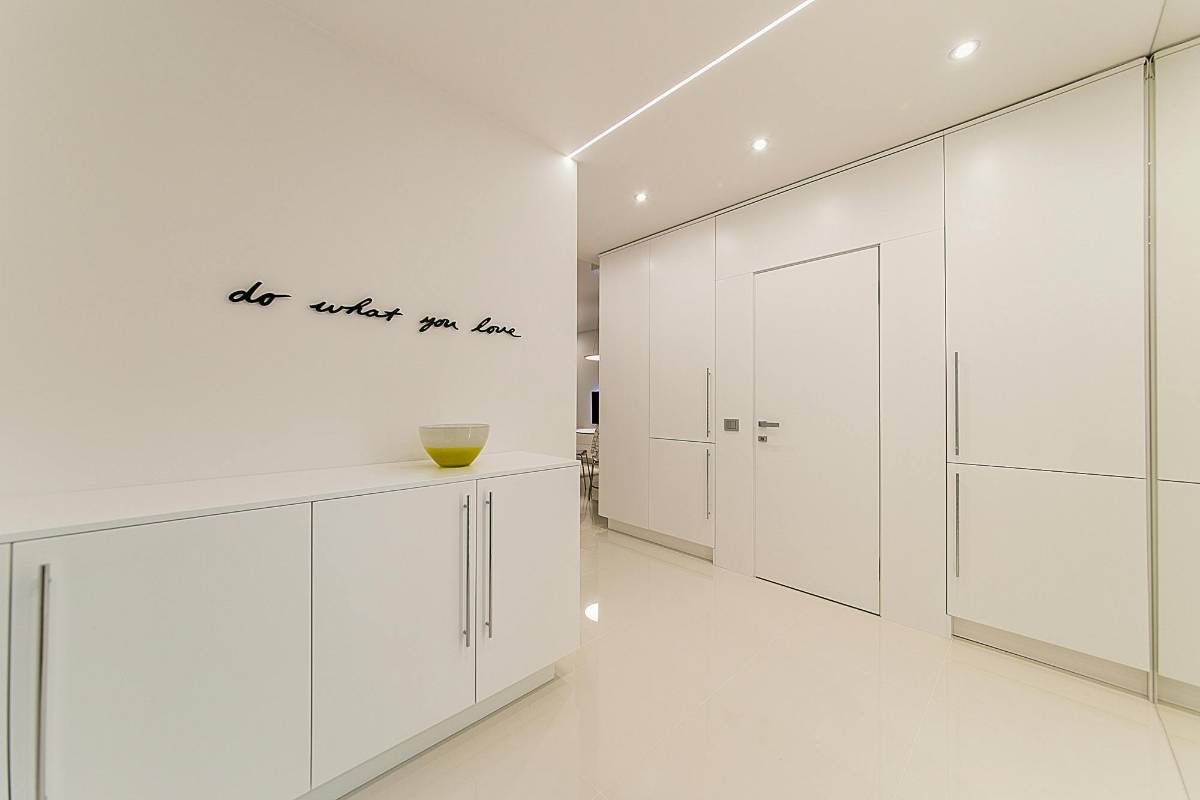
Creating a Stylish Entryway with the Right Furniture and Accessories
The entryway is the first impression of your home, setting the tone for the rest of the space. Creating a stylish and functional entryway involves selecting the right furniture and accessories to make it both welcoming and practical. Here’s how to design an entryway that reflects your style and meets your needs.

5 min read | 31 May 2025
The Art of Accessorizing: Using Decor to Enhance Your Furniture
Accessorizing your furniture is a key aspect of home décor that can transform a room from ordinary to extraordinary. The right accessories not only complement your furniture but also add personality and style to your space. Here’s how to master the art of accessorizing to enhance your furniture and create a cohesive and stylish home.