
The Role of Sustainable Design in Cultural Preservation
 By Ernest Hemingway |
 4 min read
|01 May 2025Sustainable design and cultural preservation are two critical aspects of modern architecture that, when combined, can lead to the creation of spaces that honor history while promoting environmental responsibility. Integrating sustainable design principles into the preservation of cultural heritage sites ensures that these important landmarks are maintained for future generations while minimizing their impact on the environment. This article explores how sustainable design contributes to cultural preservation and highlights strategies for effectively combining the two.
Preserving Historic Architecture
Historic buildings and sites are valuable cultural assets that offer insights into the architectural styles, materials, and construction techniques of past eras. Sustainable design plays a crucial role in preserving these structures by focusing on the careful restoration and adaptive reuse of historic architecture. This approach involves using environmentally friendly materials and techniques that respect the original design while enhancing the building's longevity and energy efficiency. For example, incorporating modern insulation and energy-efficient windows can improve a building's performance without compromising its historic character.
Adaptive Reuse of Buildings
Adaptive reuse is a sustainable design strategy that involves repurposing existing structures for new uses. This approach not only conserves resources but also helps preserve the cultural significance of historic buildings. By transforming old warehouses into creative spaces or historic homes into community centers, adaptive reuse projects contribute to the preservation of architectural heritage while addressing contemporary needs. Sustainable design practices, such as using reclaimed materials and minimizing waste, further enhance the environmental benefits of adaptive reuse.
Integrating Traditional Materials and Techniques
Incorporating traditional materials and construction techniques into sustainable design can help maintain cultural authenticity while improving environmental performance. For instance, using locally sourced materials reduces transportation-related carbon emissions and supports local economies. Traditional building methods, such as earthen construction or timber framing, can be combined with modern sustainable practices to create structures that are both culturally significant and environmentally friendly. By blending old and new techniques, architects and builders can achieve a harmonious balance between preservation and innovation.
Energy Efficiency and Modernization
Sustainable design aims to improve energy efficiency while respecting the historical integrity of buildings. Modernizing systems such as heating, cooling, and lighting can significantly reduce a building's energy consumption without altering its appearance. For example, installing solar panels or green roofs can provide renewable energy and enhance insulation while maintaining the building's historic character. Integrating smart technologies for energy management can also contribute to sustainability goals by optimizing energy use and reducing operational costs.
Cultural Sensitivity and Community Engagement
Effective cultural preservation through sustainable design requires sensitivity to the values and traditions of local communities. Engaging with community members and stakeholders ensures that preservation efforts align with cultural practices and expectations. This collaborative approach helps foster a sense of ownership and pride in cultural heritage, leading to more successful and sustainable preservation projects. Community input can guide design decisions, ensuring that new interventions respect and enhance the cultural significance of historic sites.
Sustainable Design for New Cultural Projects
When designing new cultural projects, such as museums, galleries, or performance spaces, incorporating sustainable design principles can support cultural preservation from the outset. These projects can serve as models for integrating environmental responsibility with cultural expression. For instance, designing a museum with energy-efficient systems, sustainable materials, and green building certifications can set a precedent for future projects. Additionally, incorporating cultural elements into the design can celebrate and preserve local heritage while advancing sustainability goals.
Case Studies of Sustainable Cultural Preservation
Several notable projects illustrate the successful integration of sustainable design and cultural preservation. The renovation of the Sagrada Família in Barcelona, Spain, demonstrates how modern technologies and sustainable practices can be applied to historic architecture. Similarly, the transformation of the High Line in New York City from an old rail line into a green public park exemplifies adaptive reuse and environmental stewardship. These case studies highlight the potential for sustainable design to enhance cultural preservation while addressing contemporary challenges.
Future Directions in Sustainable Design and Cultural Preservation
As the field of sustainable design continues to evolve, new approaches and technologies will emerge to support cultural preservation. Future directions may include advancements in materials science, innovative restoration techniques, and increased emphasis on community involvement. By staying attuned to these developments, architects, planners, and preservationists can continue to create environments that honor cultural heritage while promoting environmental sustainability. The integration of sustainable design into cultural preservation efforts will play a vital role in ensuring that historic landmarks and traditions are preserved for generations to come.
Conclusion
The role of sustainable design in cultural preservation is essential for maintaining the integrity and longevity of historic buildings and sites. By combining environmentally responsible practices with a commitment to preserving cultural heritage, designers can create spaces that honor the past while addressing present and future needs. Through adaptive reuse, the use of traditional materials, and community engagement, sustainable design can contribute to the successful preservation of cultural assets. As we look to the future, continued innovation and collaboration will be key to balancing sustainability with the rich tapestry of our cultural history.
RECENT POSTS
1
Top 5 Luxury Home Automation Trends You Need to Know
5 min read | 13 May 20252
Inside the World’s Most Exclusive Private Island Resorts
3 min read | 12 May 20253
From Yachts to Private Jets: The Best Ways to Travel in Style
3 min read | 11 May 20254
The Secret to Creating a High-End Spa Experience at Home
5 min read | 10 May 20255
10 Ultra-Luxurious Homes You Won’t Believe Exist
3 min read | 09 May 20256
How to Balance Comfort and Style in Luxury Living
2 min read | 08 May 2025MORE POSTS
Choosing the Right Furniture for Small Spaces
5 min read | 15 Mar 2025
Small Budget, Big Impact: Quick Fixes to Refresh Your Home
3 min read | 13 Jun 2025
Decorating a Rental Apartment on a Budget: Tips and Tricks
4 min read | 12 Jun 2025
The Best Places to Find Secondhand Furniture and Décor
4 min read | 11 Jun 2025
Creating a Cozy Living Room with Budget Decor Ideas
3 min read | 10 Jun 2025
How to Decorate for the Holidays Without Overspending
5 min read | 09 Jun 2025MORE ARTICLES
4 min read | 21 Mar 2025
Luxury Living and the Importance of Privacy
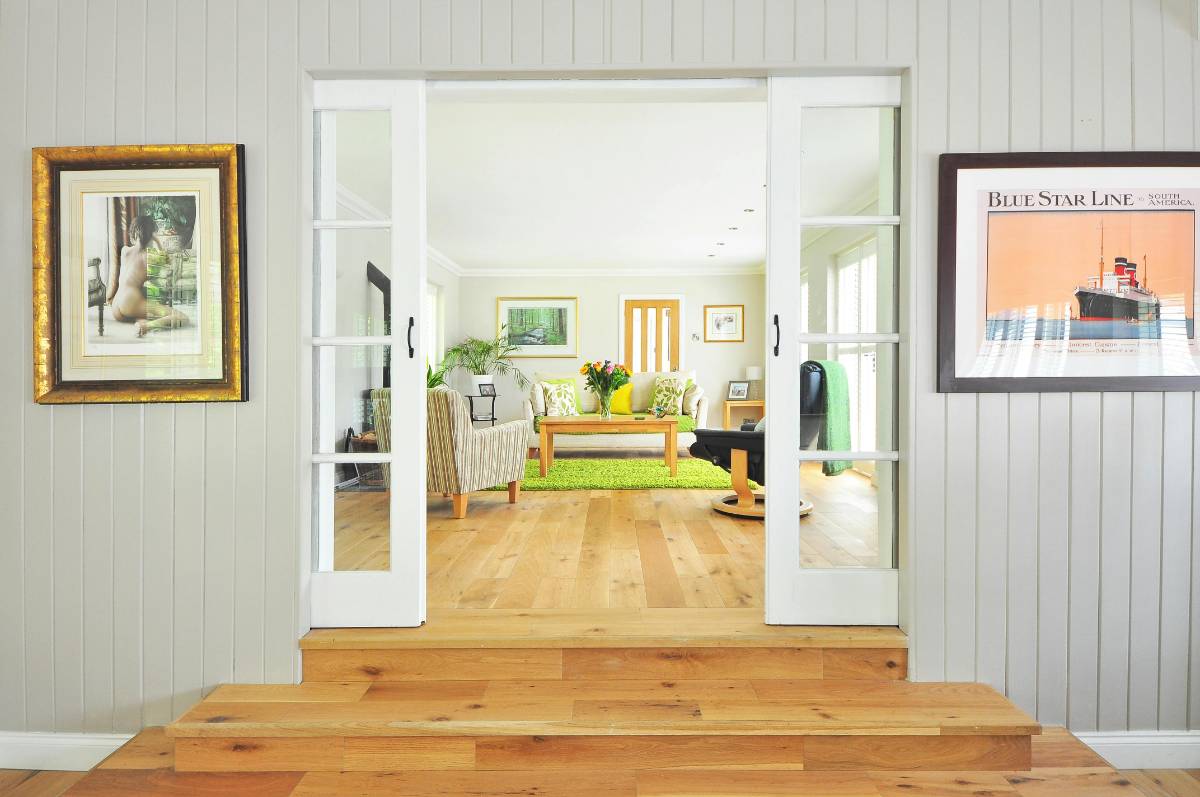
In the realm of luxury living, privacy is not just a luxury but a fundamental aspect of the lifestyle. As affluent individuals seek exclusive residences and bespoke experiences, the importance of privacy becomes increasingly evident. This article delves into the significance of privacy in luxury living, exploring how it enhances the quality of life and contributes to the overall sense of security and comfort.
4 min read | 20 Mar 2025
How to Incorporate Fine Art into Your Luxury Living Space
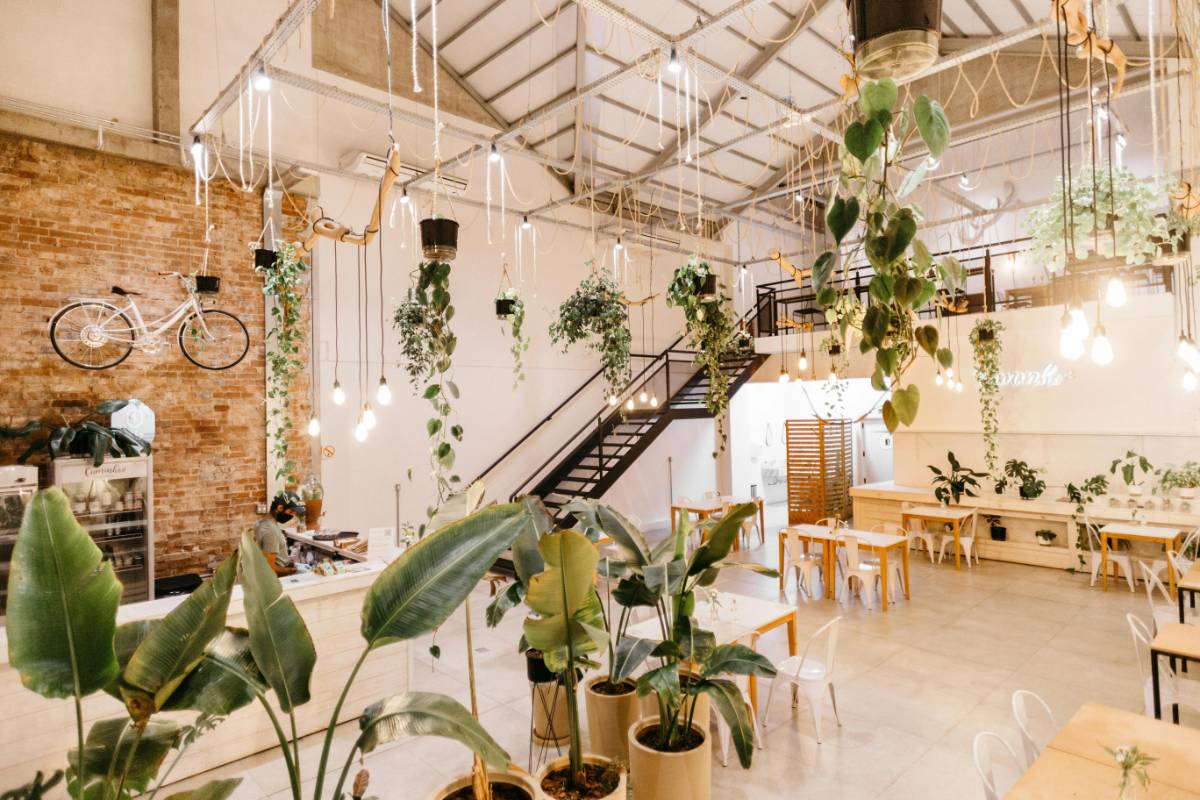
Incorporating fine art into your luxury living space can elevate the overall ambiance, adding sophistication, personality, and a touch of elegance. Art not only enhances the aesthetic appeal of a space but also reflects your taste and individuality. This article provides insights and tips on how to seamlessly integrate fine art into your luxury home, creating a harmonious and visually stunning environment.

3 min read | 19 Mar 2025
Exploring the World's Most Exclusive Gated Communities
Gated communities have long been synonymous with luxury, privacy, and security. They offer residents a secluded retreat from the hustle and bustle of city life while providing access to high-end amenities and a prestigious lifestyle. This article explores some of the world’s most exclusive gated communities, showcasing their unique features, unparalleled privacy, and the luxurious living experience they offer.
5 min read | 18 Mar 2025
The Most Luxurious Bathrooms in the World
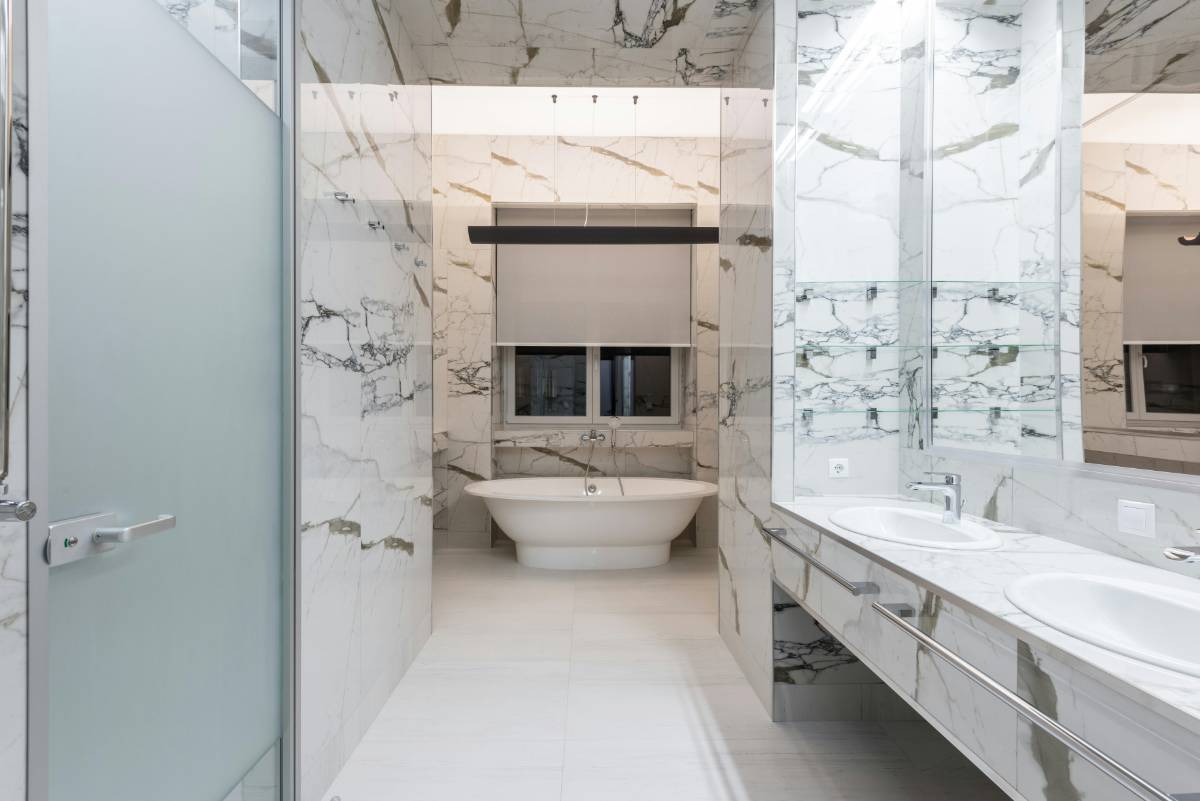
Bathrooms have evolved from mere functional spaces into opulent retreats that offer relaxation, comfort, and indulgence. In the realm of luxury living, bathrooms are designed to be more than just a place for daily routines—they are havens of tranquility and sophistication. This article explores some of the most luxurious bathrooms around the world, showcasing their stunning designs, high-end features, and unique elements that define the pinnacle of bathroom luxury.

2 min read | 17 Mar 2025
Luxury Living and the Impact of Technology
Technology has significantly transformed the landscape of luxury living, blending cutting-edge innovations with sophisticated design to create unparalleled comfort and convenience. As the demand for smart homes and high-tech amenities continues to rise, technology has become a crucial element in defining modern luxury. This article explores how technology impacts luxury living, highlighting key advancements and their influence on contemporary lifestyles.

2 min read | 16 Mar 2025
How to Personalize Your Luxury Living Space
Personalizing a luxury living space allows you to infuse your personality and preferences into a high-end environment, making it uniquely yours. While luxury spaces are often characterized by their opulence and sophistication, personal touches can transform them into warm, inviting havens that reflect your individual style. This article explores various ways to personalize your luxury living space, from selecting the right décor and furnishings to incorporating meaningful details that enhance comfort and elegance.