
The Rise of Sustainable Design in Modern Architecture
 By Toni Morrison |
 2 min read
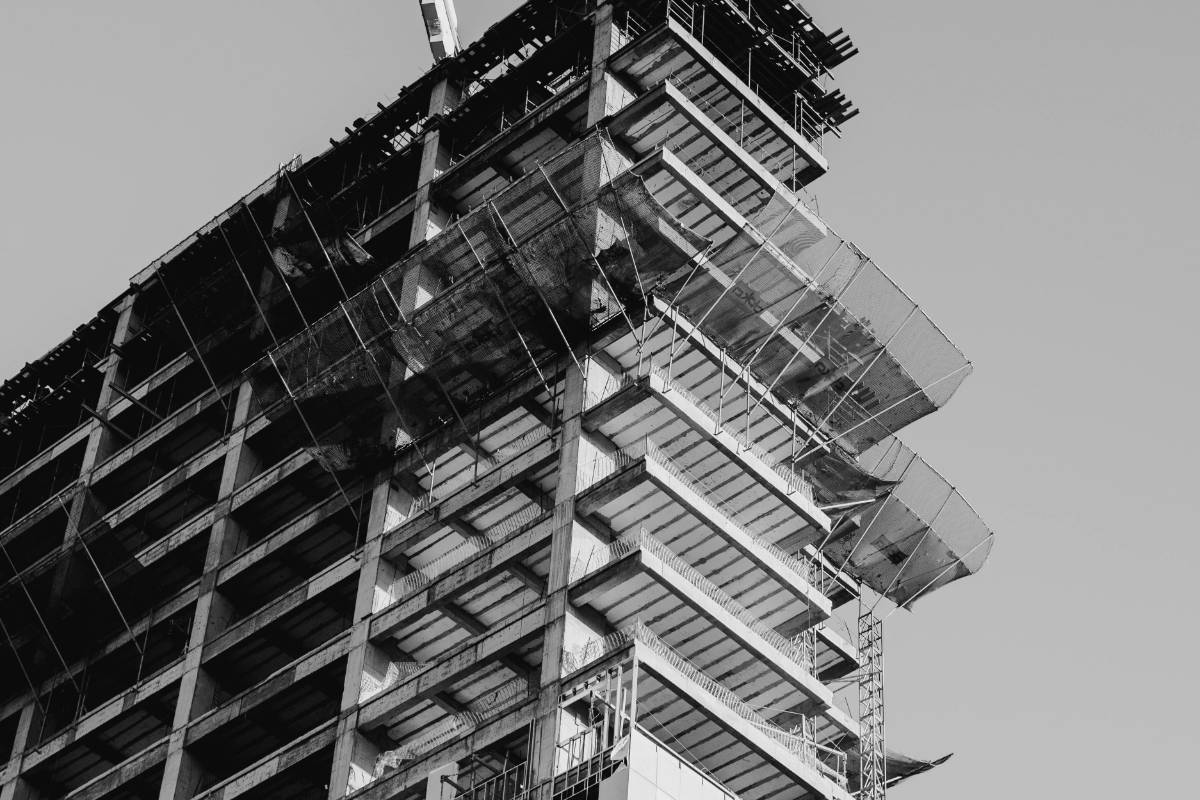
|04 Mar 2025Sustainable design has become a pivotal force in modern architecture, reflecting a growing awareness of the environmental impact of buildings and the need for more eco-friendly construction practices. As concerns about climate change, resource depletion, and environmental degradation intensify, architects and designers are increasingly turning to sustainable design principles to create structures that minimize ecological footprints while enhancing the quality of life for occupants. This article explores the rise of sustainable design in modern architecture, highlighting its key principles, benefits, and the innovations driving this movement.
Understanding Sustainable Design
Sustainable design, also known as green design or eco-design, is an approach to architecture that seeks to reduce the environmental impact of buildings throughout their lifecycle. This includes considerations for energy efficiency, water conservation, material selection, indoor air quality, and the overall sustainability of the construction process. The goal is to create buildings that are not only environmentally responsible but also economically viable and socially beneficial.
Key Principles of Sustainable Design
The following principles are central to sustainable design in modern architecture:
Energy Efficiency: Sustainable buildings are designed to minimize energy consumption through various means, such as passive solar design, high-performance insulation, energy-efficient windows, and renewable energy sources like solar panels and wind turbines.
Water Conservation: Water-efficient fixtures, rainwater harvesting systems, and greywater recycling are commonly integrated into sustainable designs to reduce water usage and promote conservation.
Sustainable Materials: The use of sustainable materials, such as reclaimed wood, recycled metal, and low-impact building products, is essential in reducing the environmental footprint of construction. These materials are chosen for their durability, recyclability, and minimal environmental impact.
Indoor Environmental Quality: Sustainable design prioritizes indoor air quality, natural lighting, and thermal comfort to create healthy and comfortable living and working environments. The use of non-toxic materials and proper ventilation systems is crucial in achieving this goal.
Site and Surroundings: Sustainable architecture considers the surrounding environment and site conditions, aiming to integrate buildings harmoniously with the natural landscape. This includes preserving existing ecosystems, maximizing green space, and reducing the heat island effect.
The Benefits of Sustainable Design
The rise of sustainable design in modern architecture offers numerous benefits, including:
Environmental Impact: Sustainable buildings significantly reduce greenhouse gas emissions, energy consumption, and waste generation. By minimizing the use of non-renewable resources and promoting eco-friendly practices, these buildings contribute to environmental conservation.
Economic Savings: While the initial investment in sustainable design may be higher, the long-term economic savings are substantial. Energy-efficient buildings lower utility bills, reduce maintenance costs, and increase property value, making them a wise financial investment.
Health and Well-being: Sustainable design enhances the health and well-being of occupants by providing better indoor air quality, natural lighting, and thermal comfort. This leads to improved productivity, reduced absenteeism, and a higher quality of life.
Innovation in Sustainable Design
Several innovations are driving the rise of sustainable design in modern architecture:
Green Roofs and Walls: Green roofs and living walls are becoming increasingly popular as they help insulate buildings, reduce stormwater runoff, and improve air quality. These features also create urban green spaces, contributing to biodiversity and enhancing the aesthetic appeal of buildings.
Net-Zero Energy Buildings: Net-zero energy buildings are designed to produce as much energy as they consume over a year. This is achieved through a combination of energy-efficient design, renewable energy generation, and smart building technologies that optimize energy use.
Biophilic Design: Biophilic design incorporates natural elements, such as plants, water features, and natural light, into building design. This approach not only enhances the connection between occupants and nature but also improves well-being and reduces stress.
Adaptive Reuse: Adaptive reuse involves repurposing existing buildings or materials for new uses, reducing the need for new construction and minimizing environmental impact. This approach preserves historical architecture while integrating modern sustainability practices.
The Future of Sustainable Design
As sustainable design continues to gain traction in modern architecture, its principles are likely to become standard practice in the construction industry. The demand for eco-friendly buildings is expected to grow, driven by increasing awareness of environmental issues, stricter regulations, and the desire for healthier living environments. Architects and designers will continue to innovate, finding new ways to incorporate sustainability into every aspect of building design.
Conclusion
The rise of sustainable design in modern architecture marks a significant shift towards more responsible and eco-friendly construction practices. By embracing energy efficiency, water conservation, sustainable materials, and other key principles, architects are creating buildings that not only minimize environmental impact but also enhance the well-being of their occupants. As the movement gains momentum, sustainable design will play a crucial role in shaping the future of architecture, paving the way for a more sustainable and resilient built environment.
RECENT POSTS
1
Multi-Functional Furniture: Making the Most of Your Space
3 min read | 11 Jun 20252
How to Style a Bookshelf with Accessories and Decor
4 min read | 10 Jun 20253
10 Statement Pieces to Transform Any Room
4 min read | 09 Jun 20254
The Importance of Texture: How to Add Depth to Your Decor
4 min read | 08 Jun 20255
Accessorizing Your Outdoor Space: Furniture Ideas for Patios and Balconies
4 min read | 07 Jun 20256
The Impact of Lighting: Choosing Accessories to Enhance Your Home
5 min read | 06 Jun 2025MORE POSTS

Zero Waste Design: How to Create a Circular Economy in Your Projects
4 min read | 05 Jun 2025
The Impact of Sustainable Design on Mental Health and Well-Being
3 min read | 04 Jun 2025
Sustainable Landscape Design: Creating Beautiful, Eco-Conscious Gardens
3 min read | 12 Jun 2025
Tiny Homes: The Eco-Friendly Living Trend Taking Over
3 min read | 11 Jun 2025
The Role of Renewable Energy in Sustainable Architecture
3 min read | 10 Jun 2025
Biophilic Design: Bringing Nature into Your Living Spaces
4 min read | 09 Jun 2025MORE ARTICLES
2 min read | 08 May 2025
How to Incorporate Eco-Friendly Furniture and Accessories
Incorporating eco-friendly furniture and accessories into your home decor is a great way to reduce your environmental impact while creating a stylish and sustainable living space. Here’s how to choose and integrate eco-friendly options into your home.

3 min read | 07 May 2025
The Best Furniture for Creating a Cozy Reading Area
Creating a cozy reading area in your home can provide a relaxing retreat where you can escape into your favorite books. The right furniture is essential for setting up a space that is both comfortable and functional. Here’s how to choose the best furniture to create a perfect reading nook.

4 min read | 06 May 2025
Accessorizing Your Space with Textiles and Fabrics
Textiles and fabrics play a crucial role in enhancing the look and feel of a space. By incorporating various textiles, you can add warmth, texture, and color to your home. Here’s how to effectively accessorize your space with textiles and fabrics.

2 min read | 05 May 2025
How to Choose and Style the Perfect Coffee Table
The coffee table is a central piece in many living rooms, serving both functional and decorative purposes. Choosing and styling the perfect coffee table can enhance the look of your space and provide a practical surface for everyday use. Here’s how to select and style a coffee table that complements your decor and meets your needs.

3 min read | 04 May 2025
Essential Furniture and Accessories for a Home Gym
Creating a functional and motivating home gym requires more than just workout equipment. The right furniture and accessories can enhance your exercise routine and make your space more enjoyable. Here’s a guide to essential furniture and accessories for setting up a home gym.
4 min read | 03 May 2025
How to Update Your Home with Scandinavian Furniture and Accessories
Scandinavian design is renowned for its simplicity, functionality, and timeless elegance. Updating your home with Scandinavian furniture and accessories can create a fresh, modern look while maintaining a cozy and inviting atmosphere. Here’s how to infuse your space with Scandinavian style.