
The Future of Sustainable Design in Global Urbanization
 By Maya Angelou |
 3 min read
|13 May 2025As global urbanization accelerates, sustainable design is becoming increasingly critical in shaping the future of our cities. The challenge of accommodating a growing urban population while minimizing environmental impact requires innovative approaches to urban planning and design. This article explores the future of sustainable design in the context of global urbanization, examining trends, technologies, and strategies that will define the cities of tomorrow.
Embracing Green Infrastructure
Green infrastructure is at the forefront of sustainable urban design, offering solutions to manage stormwater, reduce heat islands, and enhance biodiversity. The future of urbanization will see an expanded integration of green roofs, living walls, and urban wetlands. These features not only address environmental challenges but also create aesthetically pleasing and functional public spaces. By incorporating green infrastructure, cities can improve their resilience to climate change and support healthier urban ecosystems.
Smart Cities and Technological Innovations
The rise of smart cities is revolutionizing urban design by incorporating advanced technologies to optimize resource use and improve quality of life. Smart grids, IoT sensors, and data-driven urban planning enable cities to manage energy, water, and waste more efficiently. Future urbanization will increasingly rely on these technologies to create responsive and adaptable urban environments. Innovations such as automated traffic management systems and smart waste collection will play a crucial role in achieving sustainable urban development.
Sustainable Transportation Solutions
Transportation is a key component of sustainable urban design. The future of urban mobility will focus on reducing reliance on fossil fuels and promoting alternative transportation methods. Electric vehicles, bike-sharing programs, and improved public transit systems will become integral to urban planning. Additionally, pedestrian-friendly design and the development of comprehensive transit networks will enhance connectivity and reduce carbon emissions. Sustainable transportation solutions are essential for creating livable and eco-friendly cities.
Energy-Efficient Buildings
Energy efficiency will be a cornerstone of sustainable urban design in the future. Advances in building technologies, such as passive design strategies, high-performance glazing, and energy-efficient HVAC systems, will contribute to reducing energy consumption in urban areas. The integration of renewable energy sources, such as solar panels and wind turbines, will further support the transition to sustainable energy systems. Designing buildings that are not only energy-efficient but also adaptable to future energy needs will be crucial for sustainable urban development.
Circular Economy Principles
The concept of a circular economy is gaining traction in urban design, promoting the reuse and recycling of materials to minimize waste and reduce environmental impact. Future urbanization will see a greater emphasis on designing for durability, adaptability, and recyclability. Building materials will increasingly be sourced from recycled or renewable resources, and construction practices will prioritize waste reduction and resource efficiency. By embracing circular economy principles, cities can create more sustainable and resilient urban environments.
Climate-Responsive Design
As climate change impacts become more pronounced, climate-responsive design will play a vital role in urban planning. Future cities will incorporate design strategies that address local climate conditions and mitigate extreme weather events. Features such as shade structures, natural ventilation, and water management systems will be designed to enhance resilience and comfort in urban environments. Climate-responsive design will ensure that cities are better prepared to handle the challenges posed by a changing climate.
Inclusive and Equitable Design
Sustainable design must also address social equity and inclusivity. Future urbanization will focus on creating spaces that are accessible and equitable for all residents. This includes designing affordable housing, improving access to public amenities, and ensuring that urban development benefits diverse populations. Inclusive design principles will guide the creation of spaces that foster community engagement and social cohesion, contributing to more equitable and sustainable urban environments.
Adaptive Reuse of Existing Structures
The adaptive reuse of existing buildings is a key strategy for sustainable urban development. By repurposing and renovating old structures, cities can reduce the environmental impact of new construction and preserve historical and cultural assets. Future urban design will increasingly focus on integrating adaptive reuse strategies, making use of existing infrastructure while incorporating modern sustainability features. This approach not only supports environmental goals but also contributes to the preservation of urban heritage.
Collaboration and Community Engagement
The future of sustainable urban design will involve greater collaboration between stakeholders, including government agencies, private developers, and local communities. Engaging communities in the planning process ensures that urban design meets the needs and preferences of residents. Collaborative approaches will lead to more innovative and effective solutions, fostering a sense of ownership and responsibility among citizens. By working together, stakeholders can create urban environments that are both sustainable and vibrant.
Conclusion
The future of sustainable design in global urbanization is marked by a commitment to environmental stewardship, technological innovation, and social equity. As cities continue to grow, the integration of green infrastructure, smart technologies, and sustainable practices will be essential in creating livable and resilient urban environments. By embracing these principles, we can shape the cities of tomorrow to be more sustainable, adaptable, and inclusive, ensuring a better quality of life for all urban residents. Through thoughtful design and collaboration, we can address the challenges of global urbanization and build a brighter future for our cities.
RECENT POSTS
1
How to Create Sustainable Communities Through Design
5 min read | 07 Apr 20252
The Role of Sustainable Design in Reducing Urban Heat Islands
4 min read | 06 Apr 20253
Sustainable Design and the Reuse of Historical Buildings
4 min read | 05 Apr 20254
The Future of Transportation Hubs in Sustainable Urban Planning
4 min read | 04 Apr 20255
Sustainable Design for Affordable Housing Solutions
3 min read | 03 Apr 20256
The Role of Urban Farming in Sustainable City Design
5 min read | 02 Apr 2025MORE POSTS
Creative Ways to Display Art with Furniture and Accessories
4 min read | 09 Apr 2025
How to Choose the Perfect Bed Frame for Your Bedroom
5 min read | 08 Apr 2025
Accessorizing Your Dining Table for Special Occasions
5 min read | 07 Apr 2025
Essential Furniture for a Functional Home Office
3 min read | 06 Apr 2025
How to Create a Cohesive Look with Matching Furniture and Accessories
5 min read | 05 Apr 2025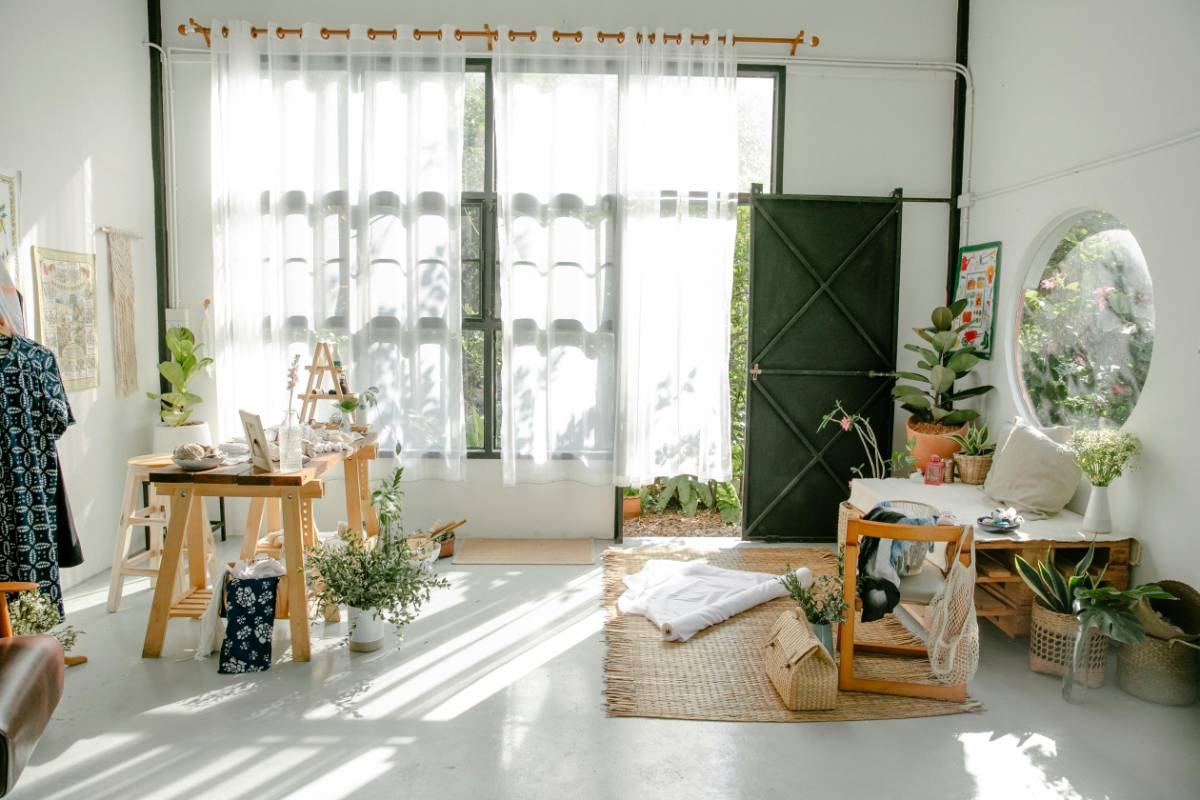
The Best Furniture for Maximizing Storage in Small Rooms
3 min read | 04 Apr 2025MORE ARTICLES
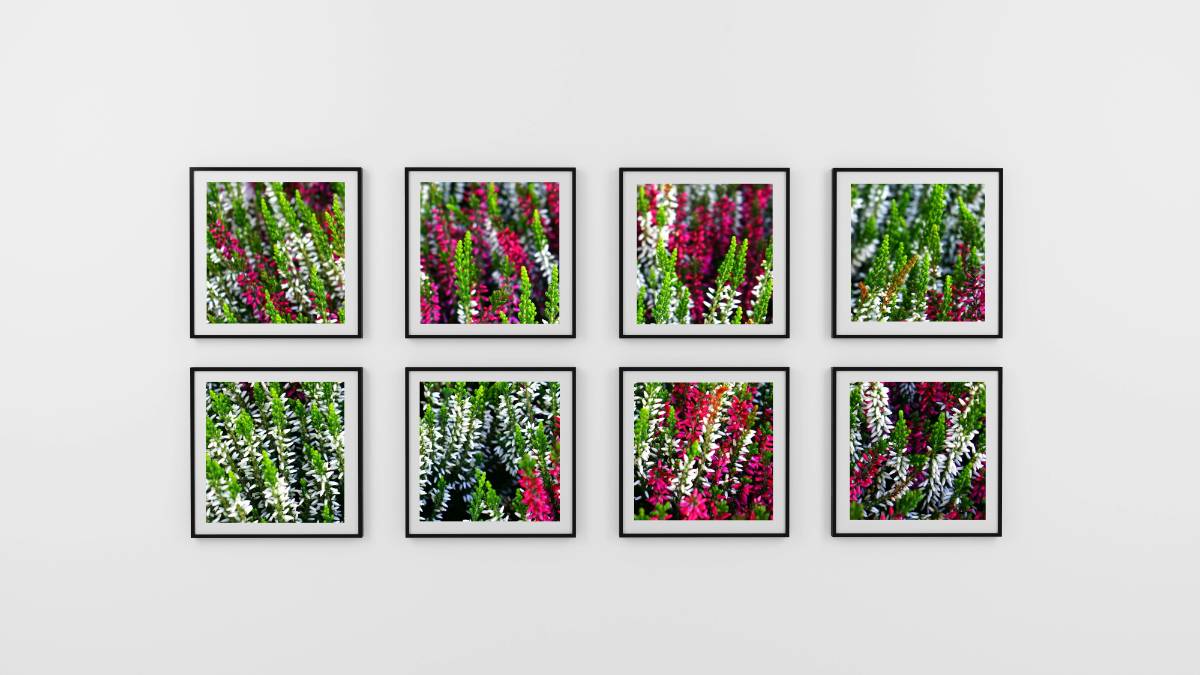
2 min read | 21 Mar 2025
Affordable Wall Art Ideas for Every Style
Decorating your walls with art can transform a space and reflect your personal style. However, you don't have to spend a fortune to achieve a stylish and unique look. With a bit of creativity and resourcefulness, you can find or create affordable wall art that complements any decor style. Here are some ideas to help you add personality to your walls without breaking the bank.
5 min read | 07 Apr 2025
Accessorizing Your Dining Table for Special Occasions
Accessorizing your dining table can elevate your dining experience, especially for special occasions. The right accessories add elegance and make your table setting more inviting. Here’s how to accessorize your dining table to create a memorable ambiance for any celebration.
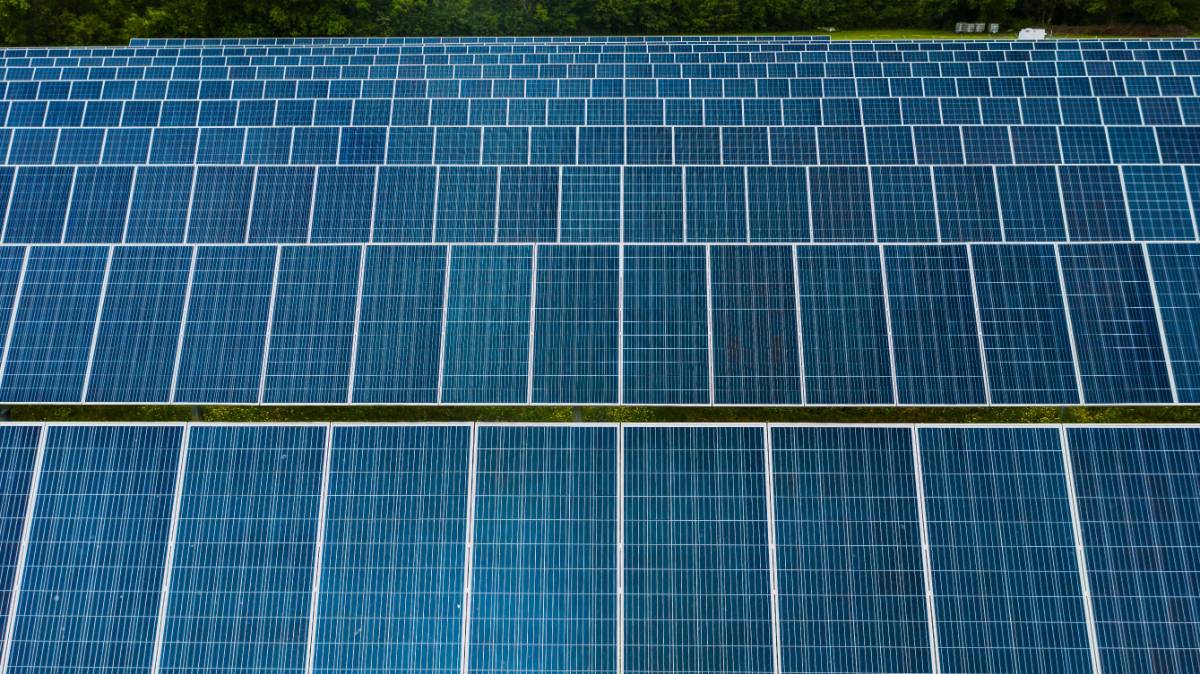
2 min read | 07 Mar 2025
The Role of Renewable Energy in Sustainable Architecture
Renewable energy is a cornerstone of sustainable architecture, offering a vital means to reduce the environmental impact of buildings and improve their energy efficiency. As the world increasingly confronts the effects of climate change, integrating renewable energy sources into architectural design is becoming essential for creating buildings that are not only environmentally responsible but also resilient and self-sufficient. This article explores the role of renewable energy in sustainable architecture, highlighting key technologies, benefits, and considerations.

3 min read | 07 Apr 2025
Affordable Ways to Add Color to Your Space
Adding color to your space can transform its look and feel without requiring a hefty budget. With a few affordable and creative strategies, you can inject vibrant hues into your home and create an inviting atmosphere. In this article, we’ll explore several budget-friendly ways to add color to your space.
5 min read | 03 Apr 2025
How to Refresh Your Home for Under $100
Refreshing your home doesn’t have to be an expensive endeavor. With a budget of under $100, you can make noticeable improvements that give your space a new lease on life. Here are some practical and budget-friendly ideas to help you refresh your home without breaking the bank.

3 min read | 05 Apr 2025
How to Mix High and Low Decor for a Chic Look
Mixing high and low decor can create a chic and sophisticated look in your home. By combining luxury items with budget-friendly finds, you can achieve a stylish and personalized space that reflects both elegance and practicality. In this article, we’ll explore how to blend high-end and affordable decor elements to create a cohesive and fashionable interior.