
Sustainable Design in the Hospitality Industry: Eco-Friendly Hotels and Resorts
 By Toni Morrison |
 5 min read
|10 Jun 2025As the world becomes increasingly aware of environmental issues, the hospitality industry is responding with a growing focus on sustainable design. Eco-friendly hotels and resorts are leading the charge, providing travelers with luxurious accommodations that also prioritize environmental responsibility. This article explores some of the most innovative sustainable design practices being implemented in the hospitality sector, showcasing how these establishments are creating a harmonious balance between luxury and eco-consciousness.
The Rise of Eco-Friendly Hotels
In recent years, there has been a significant rise in eco-friendly hotels and resorts, catering to travelers who value sustainability. These establishments utilize environmentally responsible practices in their operations, from energy-efficient lighting and water conservation systems to locally sourced materials and organic food options. By embracing sustainable design, hotels not only reduce their ecological footprint but also appeal to a growing demographic of eco-conscious travelers who prioritize environmental stewardship during their stay.
Green Building Certifications
Many eco-friendly hotels are pursuing green building certifications, such as LEED (Leadership in Energy and Environmental Design) or Green Key, which recognize establishments for their sustainable practices. These certifications ensure that hotels meet strict environmental standards in areas like energy efficiency, water usage, and waste management. For example, the Proximity Hotel in Greensboro, North Carolina, achieved LEED Platinum certification, incorporating solar panels, recycled materials, and a geothermal heating and cooling system. Such certifications demonstrate a commitment to sustainability and provide travelers with confidence in their choice of accommodations.
Sustainable Materials and Design
Eco-friendly hotels often incorporate sustainable materials and design elements into their architecture and interiors. This includes using reclaimed wood, bamboo flooring, and low-VOC (volatile organic compounds) paints to minimize environmental impact. For instance, the 1 Hotel brand emphasizes natural materials and biophilic design, seamlessly blending indoor and outdoor spaces to create a tranquil atmosphere. By prioritizing sustainable materials, hotels can reduce their carbon footprint while providing guests with a unique and inviting environment.
Water Conservation Initiatives
Water conservation is a critical aspect of sustainable design in the hospitality industry. Many eco-friendly hotels implement innovative water-saving technologies, such as low-flow fixtures, rainwater harvesting systems, and greywater recycling. For example, the Six Senses resorts utilize cutting-edge water purification systems that allow them to reuse wastewater for irrigation and other non-potable uses. These initiatives not only conserve valuable water resources but also demonstrate a commitment to environmental responsibility.
Energy Efficiency and Renewable Energy
Energy efficiency is another key focus for sustainable hotels. Many eco-friendly establishments have adopted energy-efficient appliances, LED lighting, and smart building technology to optimize energy usage. Furthermore, some hotels are investing in renewable energy sources, such as solar or wind power, to reduce their reliance on fossil fuels. The Hilton Hawaiian Village, for instance, utilizes a comprehensive energy management system to track and reduce energy consumption, showcasing the potential for hotels to operate sustainably while providing luxurious amenities to guests.
Local Sourcing and Community Engagement
Sustainable hotels often prioritize local sourcing and community engagement, supporting regional economies and reducing their carbon footprint. This can include sourcing food from local farms, collaborating with local artisans for décor, and promoting local cultural experiences for guests. By connecting travelers with the local community, eco-friendly hotels enhance the guest experience while fostering a sense of place and environmental responsibility. The Post Ranch Inn in Big Sur, California, is a prime example, offering organic dining options and encouraging guests to explore the stunning natural surroundings.
Conclusion
Sustainable design in the hospitality industry is not just a trend; it represents a fundamental shift towards eco-conscious practices that benefit both the environment and travelers. By embracing sustainable materials, energy-efficient technologies, and local sourcing, eco-friendly hotels and resorts are setting new standards for luxury accommodations. As the demand for sustainable travel continues to grow, the hospitality industry will undoubtedly evolve, paving the way for a greener future that prioritizes environmental stewardship and guest satisfaction.
RECENT POSTS
1
Tiny Homes: The Eco-Friendly Living Trend Taking Over
5 min read | 11 Jun 20252
The Role of Renewable Energy in Sustainable Architecture
3 min read | 10 Jun 20253
Biophilic Design: Bringing Nature into Your Living Spaces
5 min read | 09 Jun 20254
Green Building Certifications: What You Need to Know
5 min read | 08 Jun 20255
Sustainable Fashion: Brands Leading the Way in Eco-Conscious Design
5 min read | 07 Jun 20256
The Future of Urban Design: How Cities Are Going Green
4 min read | 06 Jun 2025MORE POSTS
Luxury Furniture: Investing in Timeless Pieces for Your Home
4 min read | 26 May 2025
How to Create a Cohesive Look with Furniture and Accessories
4 min read | 25 May 2025
Smart Furniture: The Intersection of Technology and Design
4 min read | 24 May 2025
DIY Furniture Projects to Personalize Your Space
5 min read | 23 May 2025
Top Furniture Trends for 2024: What’s In and What’s Out
2 min read | 22 May 2025
Accessorizing Your Living Room: Tips and Ideas
5 min read | 21 May 2025MORE ARTICLES

5 min read | 16 May 2025
DIY Decor Hacks for the Budget-Conscious Homeowner
Decorating your home on a budget can be both fun and rewarding. DIY decor hacks allow you to transform your space with creativity and resourcefulness, without spending a lot of money. This article offers practical DIY decor hacks that are perfect for budget-conscious homeowners looking to enhance their living spaces.
4 min read | 15 May 2025
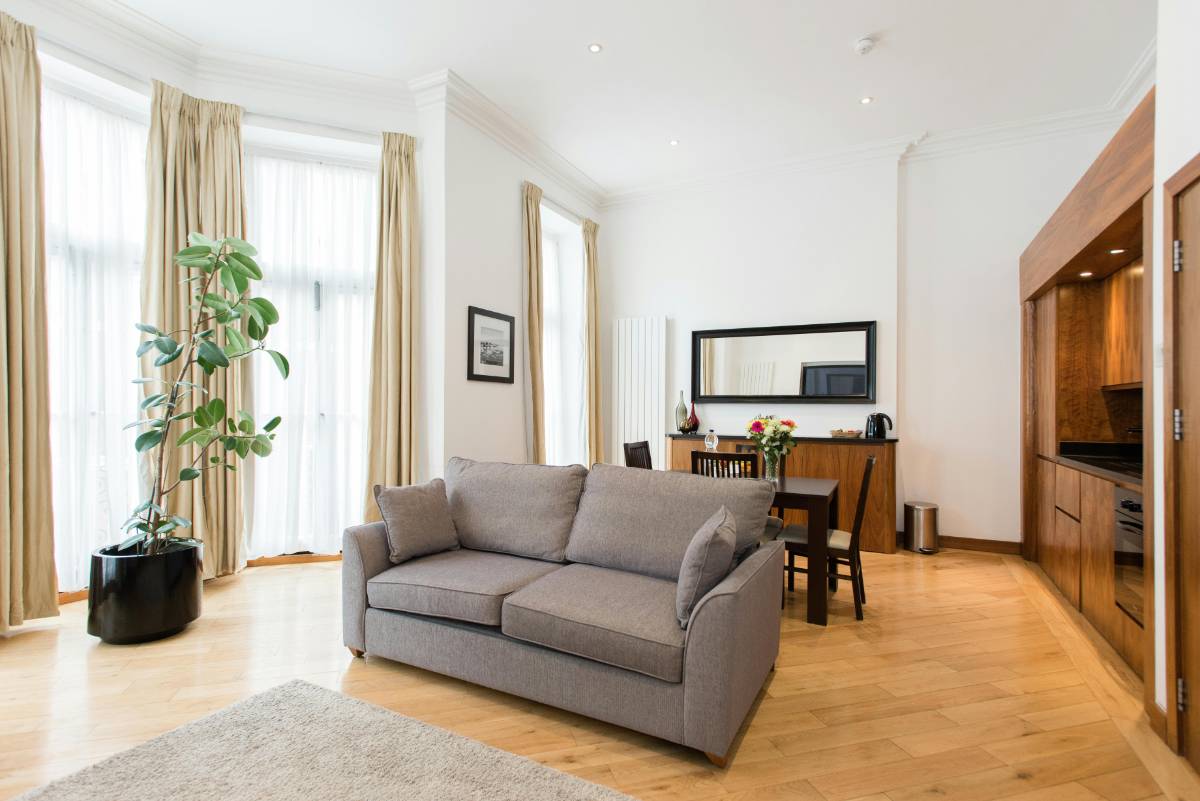
How to Create a Stylish Home on a Shoestring Budget
Creating a stylish home doesn’t have to require a large budget. With a few strategic choices and creative ideas, you can achieve a beautiful and functional living space without spending a fortune. This article provides practical tips and tricks for designing a stylish home on a shoestring budget.

2 min read | 14 May 2025
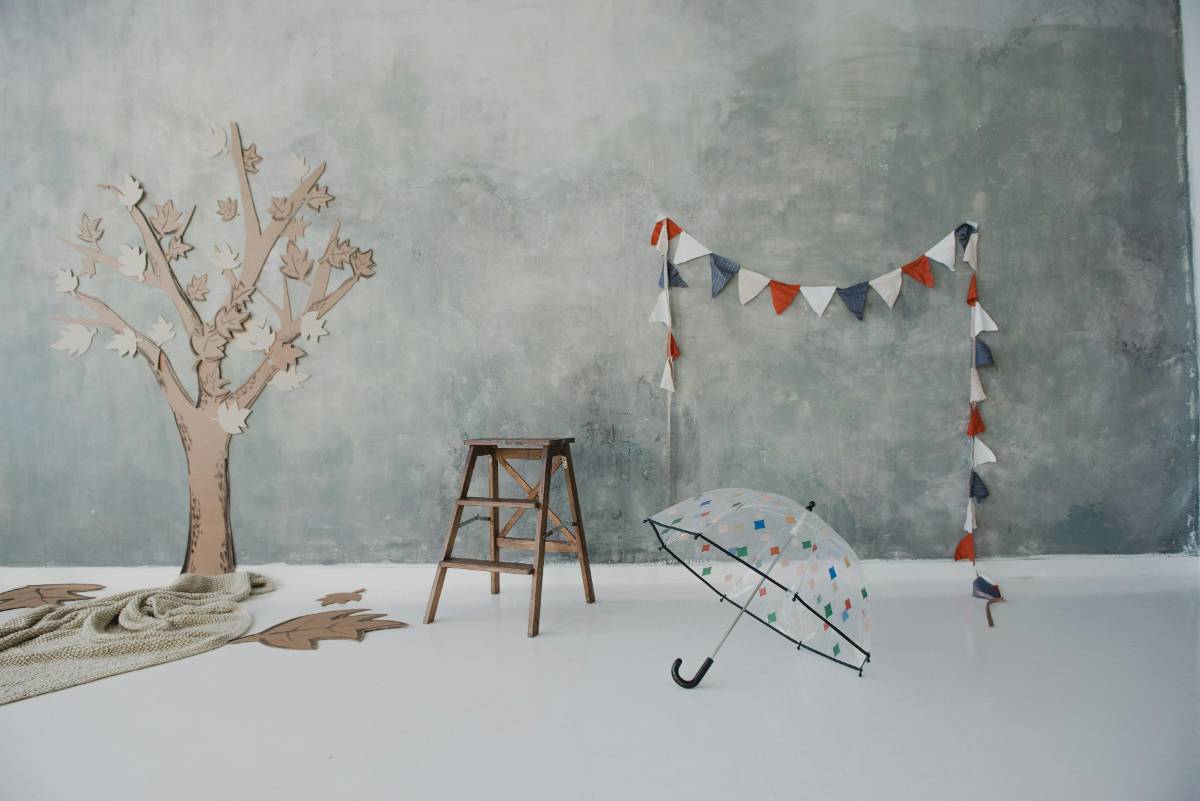
Transform Your Space: Budget-Friendly Decor Ideas
Transforming your space doesn't have to be expensive. With a bit of creativity and resourcefulness, you can revitalize your home decor without breaking the bank. This article provides budget-friendly decor ideas that can help you achieve a stylish and refreshed look for your space while keeping costs low.
5 min read | 13 May 2025
How to Make a Small Space Feel Bigger with Budget Decor
Making a small space feel bigger is a common challenge, but with some clever decorating tricks, you can create the illusion of more space without spending a fortune. Here’s how to maximize your small space on a budget.

2 min read | 12 May 2025
Budget Decor Ideas for a Contemporary Home
Decorating a contemporary home on a budget doesn't mean you have to compromise on style or quality. With a few clever strategies, you can achieve a modern look that’s both chic and affordable. Here’s how to update your home decor without breaking the bank.

4 min read | 11 May 2025
How to Decorate with Patterns on a Budget
Decorating with patterns can add visual interest and personality to your space without requiring a large budget. Patterns can be incorporated through various elements such as textiles, wall coverings, and accessories. Here’s how to effectively decorate with patterns while keeping costs low.