
Sustainable Design in Furniture: Top Trends and Tips
 By Maya Angelou |
 2 min read
|09 Jun 2025Sustainable design in furniture is gaining momentum as more people seek eco-friendly solutions for their homes. By focusing on sustainability, you can make choices that are both stylish and environmentally responsible. Here are some top trends and tips for incorporating sustainable design into your furniture.
Embrace Reclaimed Materials
Reclaimed materials, such as salvaged wood or repurposed metal, are becoming increasingly popular in sustainable furniture design. These materials reduce waste by giving new life to old items. Look for furniture made from reclaimed wood or metal that adds character and uniqueness to your home while supporting environmental conservation.
Opt for Eco-Friendly Materials
Choose furniture made from eco-friendly materials such as bamboo, recycled plastic, or sustainably sourced wood. Bamboo is a fast-growing, renewable resource that’s both durable and stylish. Recycled plastic furniture helps reduce waste and can be designed to mimic traditional materials while offering a modern touch.
Support Local Artisans
Supporting local artisans and craftsmen not only promotes sustainable practices but also reduces the carbon footprint associated with transporting furniture. Local artisans often use traditional techniques and sustainable materials, creating unique pieces that reflect local culture and craftsmanship.
Look for Certifications
Certifications like Forest Stewardship Council (FSC) or Global Organic Textile Standard (GOTS) indicate that furniture meets specific environmental and ethical standards. Look for these certifications when shopping for sustainable furniture to ensure that your purchases align with your eco-friendly values.
Invest in Quality and Longevity
High-quality furniture that is well-made and durable can reduce the need for replacements and minimize waste. Investing in timeless, well-crafted pieces ensures that they will last for years and remain in style. Quality furniture also means fewer resources spent on manufacturing and transportation over time.
Consider Modular and Multi-Functional Designs
Modular and multi-functional furniture designs offer flexibility and efficiency. Modular pieces can be rearranged or expanded to suit changing needs, while multi-functional furniture serves multiple purposes, reducing the need for additional items. These designs help maximize space and minimize waste.
Upcycle and Refurbish
Upcycling old furniture or refurbishing second-hand pieces is a sustainable choice that adds character to your home. By giving new life to existing items, you reduce waste and avoid contributing to the demand for new resources. Consider painting, reupholstering, or modifying old furniture to fit your current style.
Choose Non-Toxic Finishes
Opt for furniture finished with non-toxic paints, stains, and sealants. Traditional finishes often contain harmful chemicals that can affect indoor air quality. Look for low-VOC or zero-VOC finishes that are safer for both your health and the environment.
Prioritize Energy Efficiency
When selecting furniture with built-in features, prioritize energy-efficient options. For example, choose lighting fixtures with LED bulbs or furniture with integrated solar panels. These features not only contribute to sustainable design but also help reduce energy consumption in your home.
Conclusion
Sustainable design in furniture is not just a trend but a meaningful shift towards eco-friendly living. By embracing reclaimed materials, supporting local artisans, and investing in high-quality, multi-functional pieces, you can create a stylish and environmentally responsible home. Incorporating sustainable choices into your furniture selections helps reduce waste, supports ethical practices, and contributes to a greener future.
RECENT POSTS
1
How to Accessorize Your Bedroom for a Luxurious Feel
5 min read | 22 Apr 20252
Choosing the Right Furniture for a Cozy Reading Nook
5 min read | 21 Apr 20253
How to Incorporate Multi-Functional Furniture in Small Spaces
5 min read | 20 Apr 20254
Essential Furniture and Accessories for a Relaxing Patio
3 min read | 19 Apr 20255
How to Create a Functional and Stylish Home Bar
4 min read | 18 Apr 20256
Accessories to Enhance Your Home’s Seasonal Decor
4 min read | 17 Apr 2025MORE POSTS
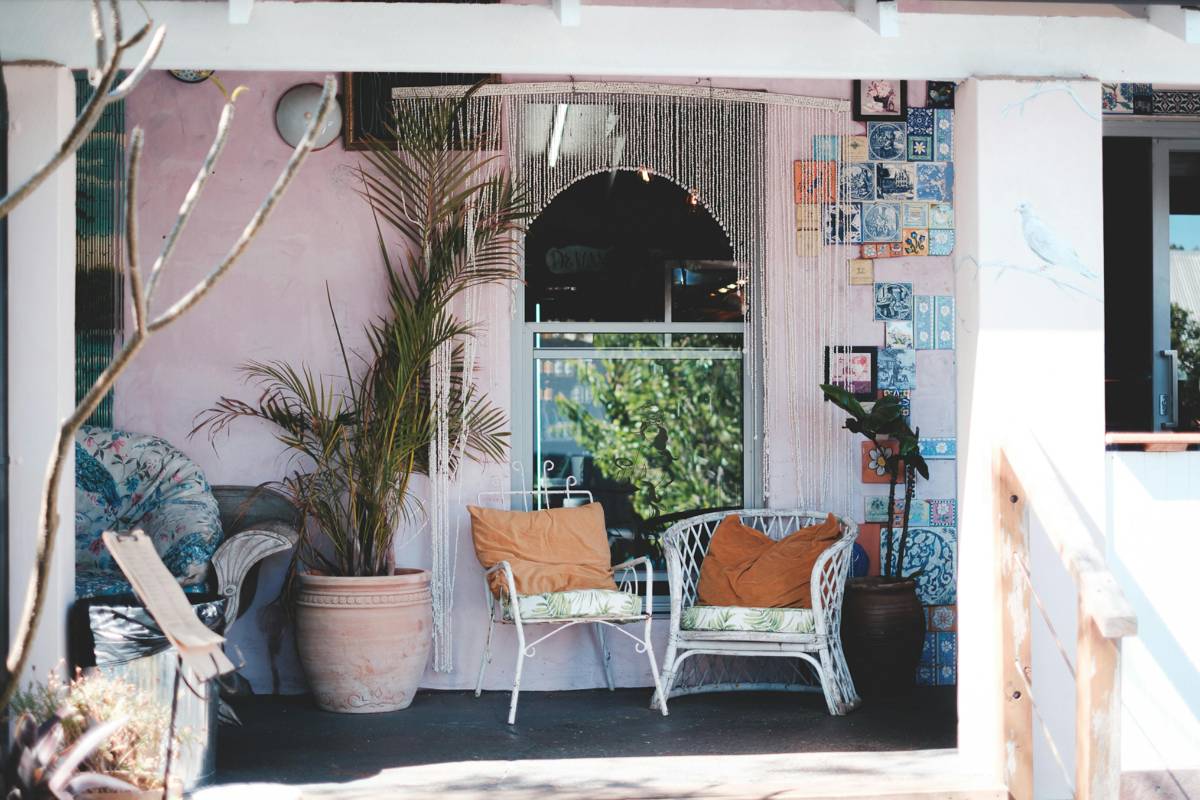
How to Create a Functional and Stylish Home Bar
4 min read | 18 Apr 2025
Accessories to Enhance Your Home’s Seasonal Decor
4 min read | 17 Apr 2025
How to Choose and Style the Perfect Area Rug
2 min read | 16 Apr 2025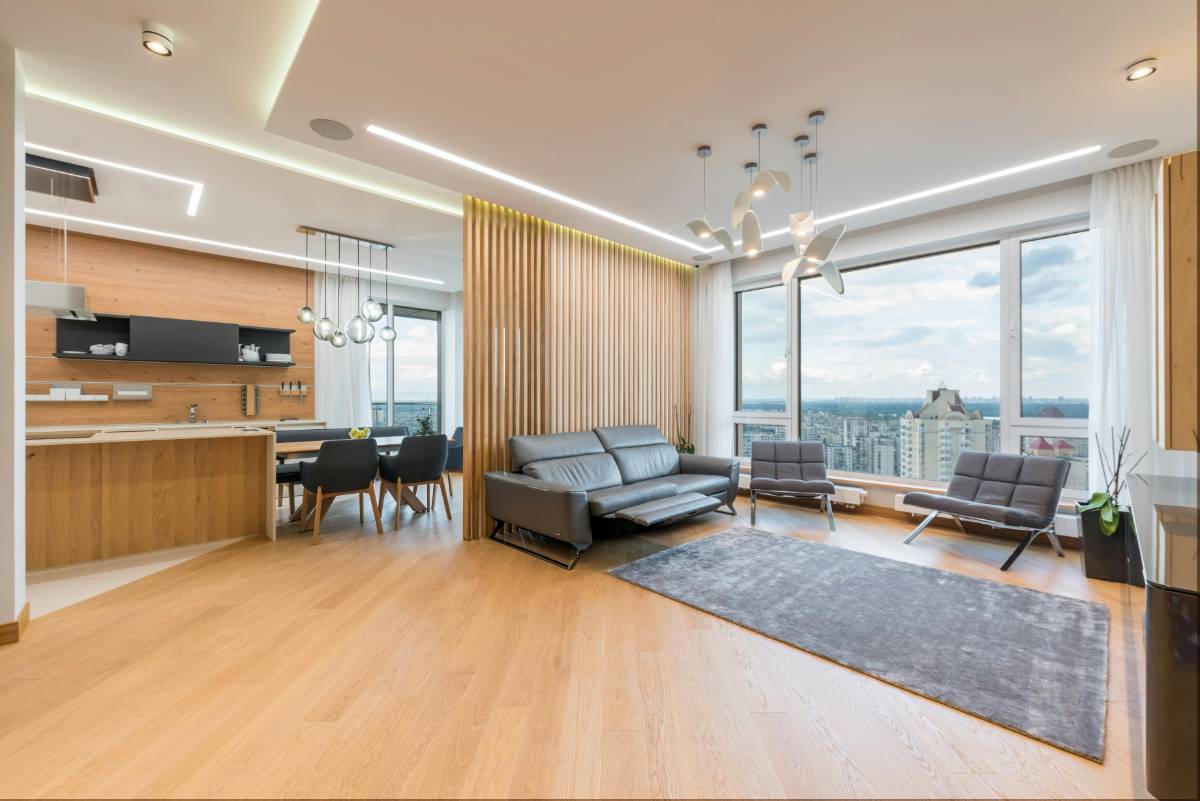
The Best Furniture for a Family-Friendly Living Space
2 min read | 15 Apr 2025
Accessorizing Your Home with Plants and Greenery
5 min read | 14 Apr 2025
How to Update Your Living Room with Minimal Investment
5 min read | 13 Apr 2025MORE ARTICLES
2 min read | 30 Mar 2025
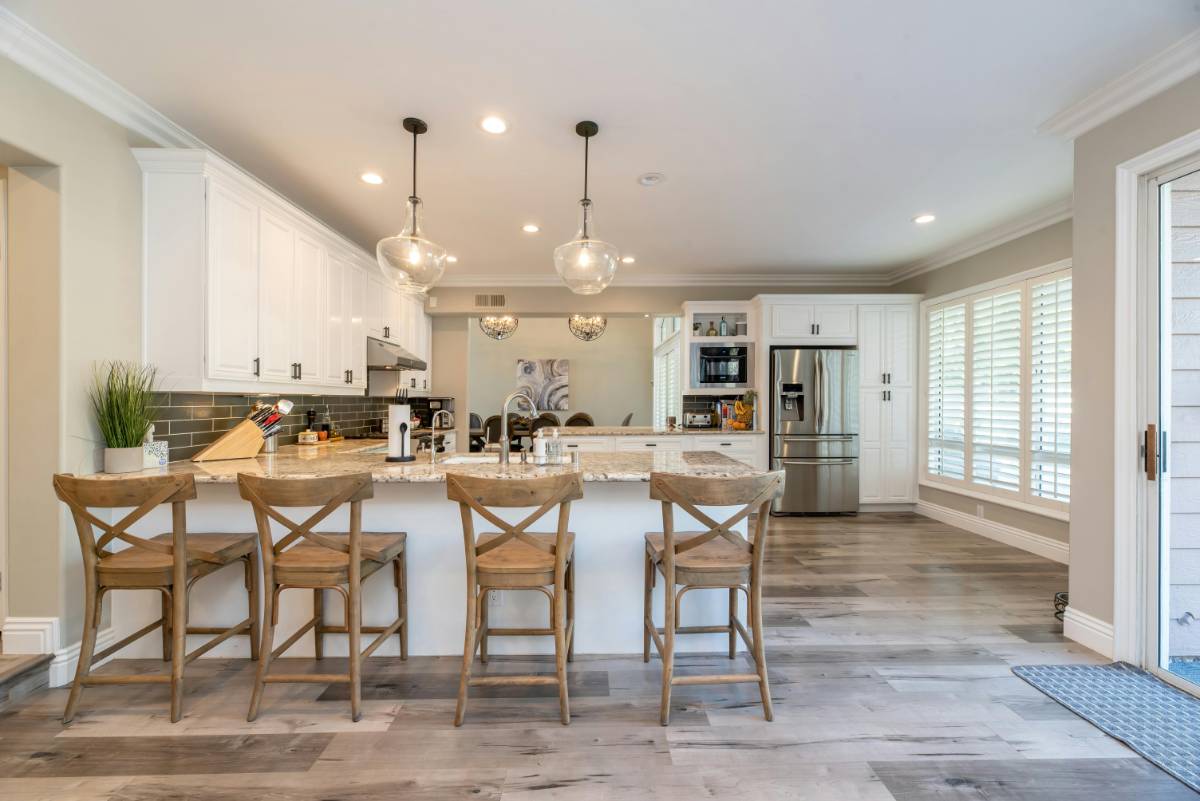
Furniture Trends to Watch for This Year
Staying updated with the latest furniture trends can help you refresh your home’s look and embrace new styles. This year’s furniture trends highlight a blend of innovation, comfort, and sustainability. Here’s a look at some key trends to watch for and how you can incorporate them into your space.

4 min read | 15 Mar 2025
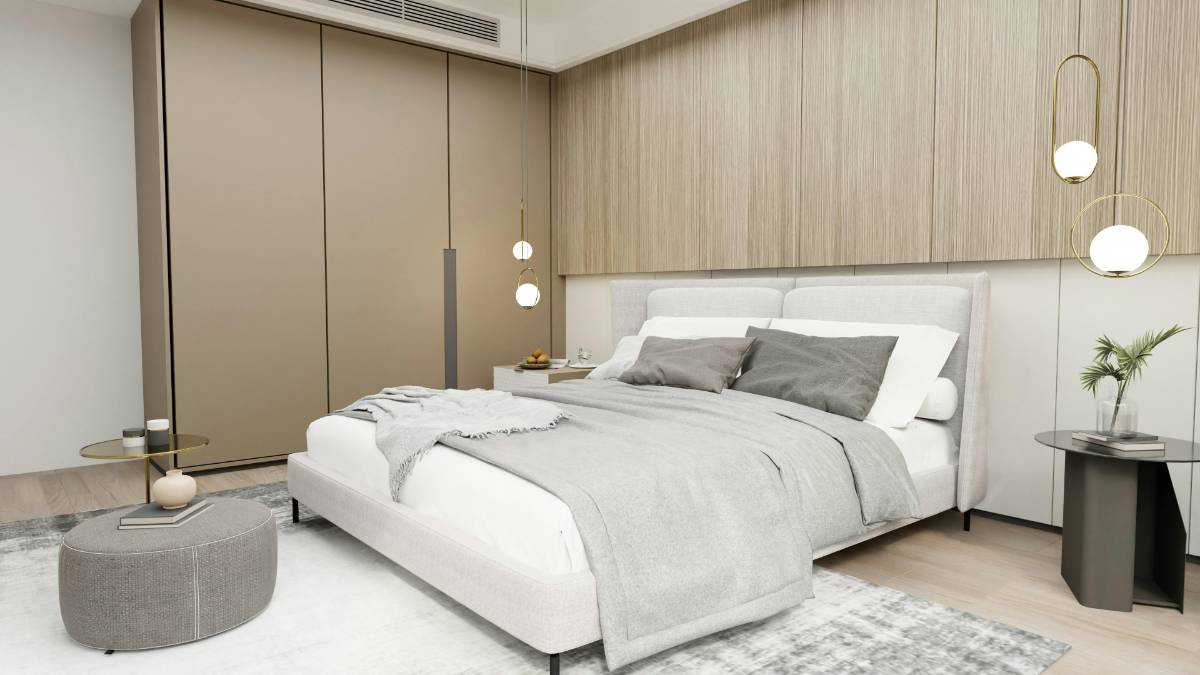
Energy-Efficient Building Techniques in Sustainable Design
Energy-efficient building techniques are a cornerstone of sustainable design, aiming to minimize energy consumption and reduce environmental impact. By implementing various strategies and technologies, builders and architects can create structures that not only use less energy but also offer enhanced comfort and lower operating costs. This article explores key energy-efficient building techniques used in sustainable design, highlighting their benefits, applications, and best practices.
4 min read | 04 Mar 2025
The Role of Architecture in Defining Luxury Living
Architecture plays a crucial role in defining luxury living, shaping how we experience and interact with our surroundings. In the realm of high-end properties, architectural design goes beyond mere aesthetics, influencing every aspect of a residence from its functionality to its overall ambiance. This article explores how architecture contributes to the concept of luxury living, highlighting key elements that elevate a property from ordinary to extraordinary.

4 min read | 16 Mar 2025
The Role of Passive Design in Sustainable Architecture
Passive design is a crucial element of sustainable architecture, focusing on optimizing a building's performance through its inherent design rather than relying heavily on mechanical systems. By leveraging natural resources and environmental factors, passive design techniques aim to create comfortable, energy-efficient buildings that minimize their ecological footprint. This article explores the role of passive design in sustainable architecture, discussing its principles, benefits, and practical applications.
4 min read | 13 Mar 2025
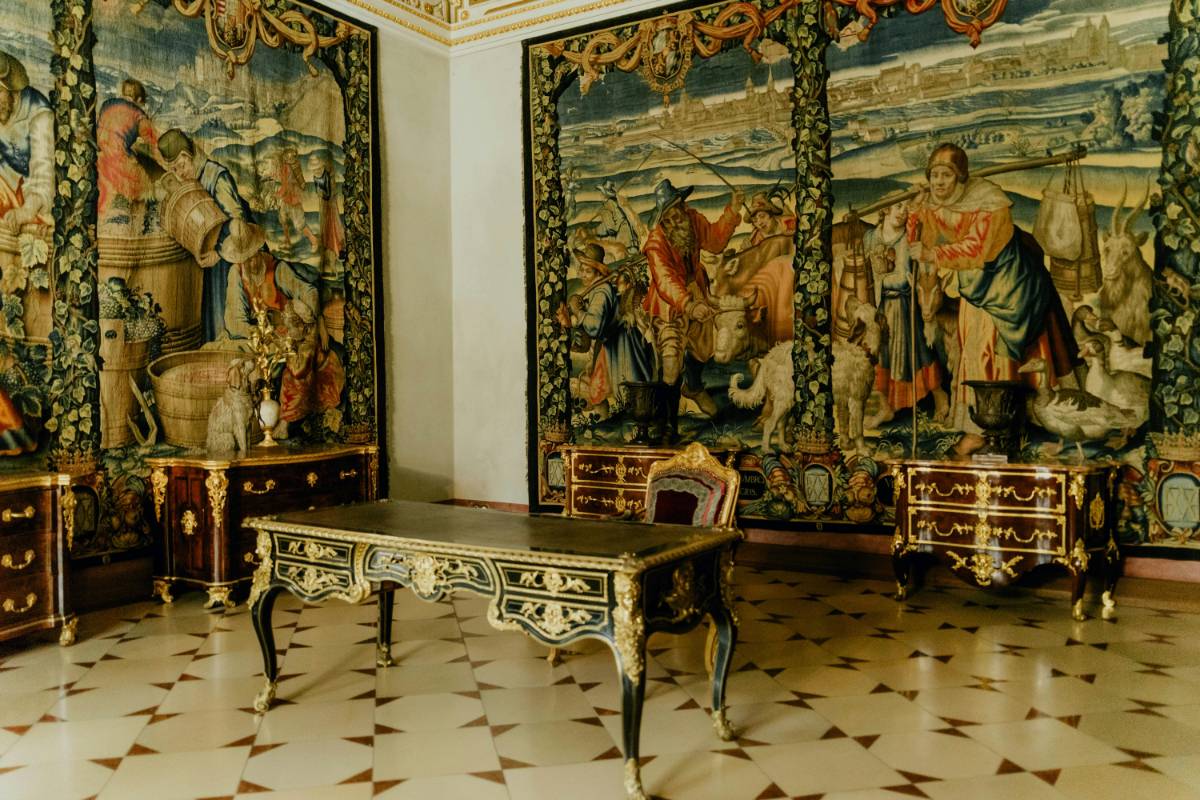
The Intersection of Art and Luxury Living
Art and luxury living are deeply intertwined, with art often serving as a defining element of high-end interiors and a reflection of personal style and sophistication. The intersection of art and luxury living creates a space where aesthetics, culture, and exclusivity converge, enhancing the overall ambiance and value of a residence. This article explores how art complements luxury living, the role of art in defining high-end interiors, and how collectors and designers collaborate to create exceptional living environments.

5 min read | 06 Mar 2025
Sustainable Luxury Living: Eco-Friendly Mansions and Villas
Sustainable luxury living is an evolving trend that combines the opulence of high-end properties with a commitment to environmental responsibility. Eco-friendly mansions and villas are designed not only to offer a lavish lifestyle but also to minimize their impact on the planet. By incorporating sustainable practices, advanced technologies, and eco-friendly materials, these homes provide a sophisticated living experience while promoting environmental stewardship. This article explores the key features of sustainable luxury living, highlighting examples of eco-friendly mansions and villas around the world.